
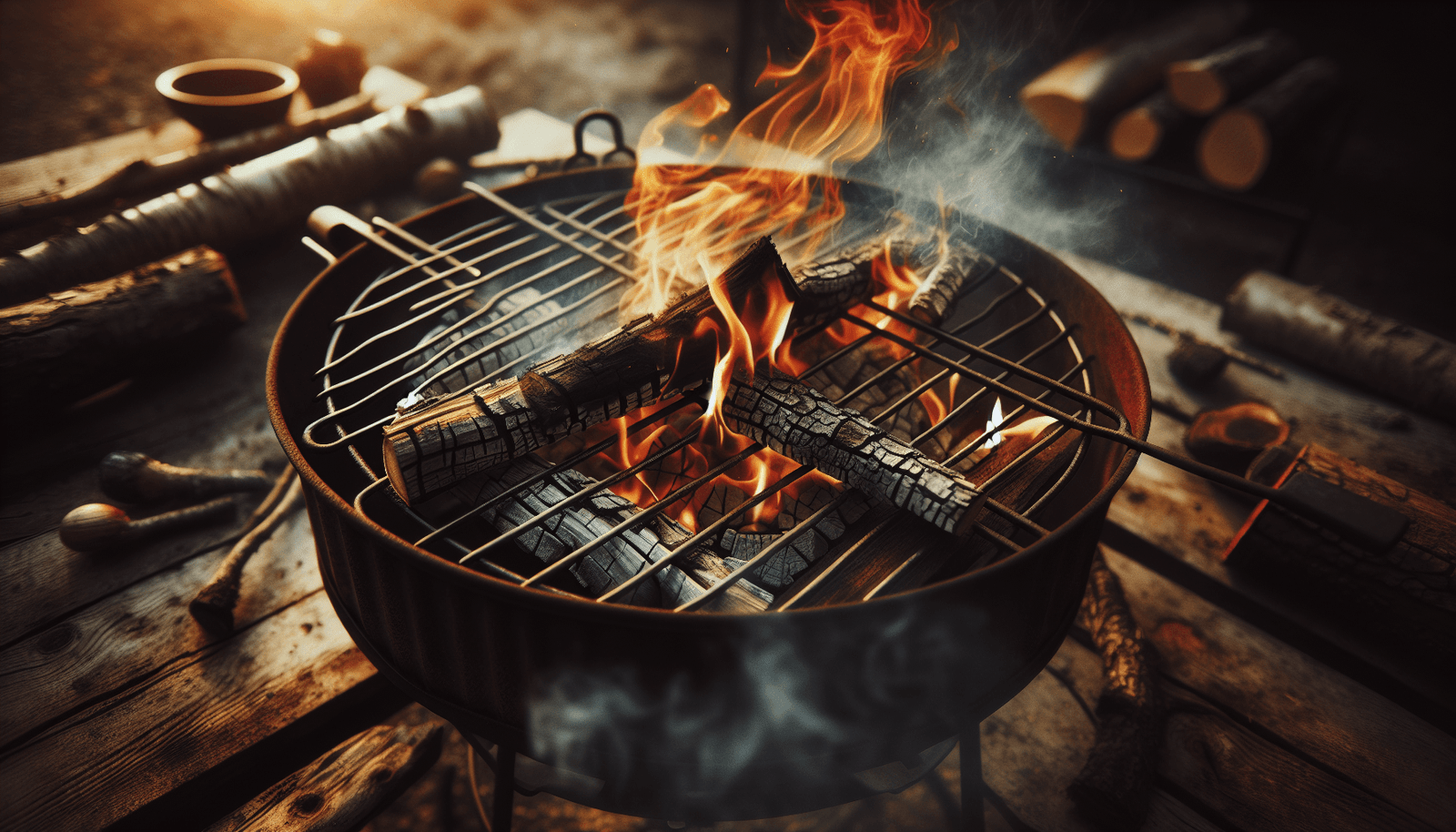
Have you ever wondered how a wood-fired grill can transform your outdoor cooking experience? From the aroma of the wood to the rich flavors it imparts on your food, grilling over a wood fire has been a celebrated tradition for centuries. This traditional method of cooking not only enhances the taste of food but also provides an interactive and enjoyable way to prepare meals.

Understanding What a Wood-fired Grill Is
A wood-fired grill uses wood as the primary fuel to heat and cook food, often providing a unique smoky flavor that is hard to replicate with other types of grills. Unlike gas or charcoal grills, wood-fired grills are valued for their ability to reach high temperatures and bring out the natural flavors of ingredients. This type of grill can vary in design, from simple setups with a metal grate over a fire pit to upscale models with temperature control features.
The Appeal of Wood-fired Grills
One of the main reasons why people are drawn to wood-fired grills is the distinct taste they impart. The wood burns to create smoke, which infuses the food with rich, aromatic flavors. Additionally, cooking over a wood fire evokes a sense of tradition and authenticity, as it connects you with the age-old methods of meal preparation. With a wood-fired grill, each cooking experience becomes not just about the food but about creating memories and relishing in the process.
Types of Wood to Use
Different types of wood can produce varying flavors, allowing you to customize your grilling experience. Common woods used for grilling include oak, hickory, mesquite, apple, and cherry. Each wood type provides distinct characteristics to the food.
| Wood Type | Flavor Profile | Best Used For |
|---|---|---|
| Oak | Mild and versatile | Beef, pork, fish |
| Hickory | Strong, smoky, and sweet | Cheeses, bacon, ribs |
| Mesquite | Intense, earthy flavor | Steaks, lamb |
| Apple | Slightly sweet and fruity | Pork, poultry, seafood |
| Cherry | Sweet and fruity | Chicken, salmon |
By selecting the appropriate wood, you can enhance specific dishes, creating a more tailored and enjoyable meal.
Preparing the Wood
To achieve the best results from a wood-fired grill, it’s important to prepare the wood correctly. Use seasoned or kiln-dried wood, as this will burn efficiently and produce less soot and ash. Additionally, ensure the wood is free of chemicals, paints, or treatments that could harm the flavor or safety of your food.
Setting Up a Wood-fired Grill
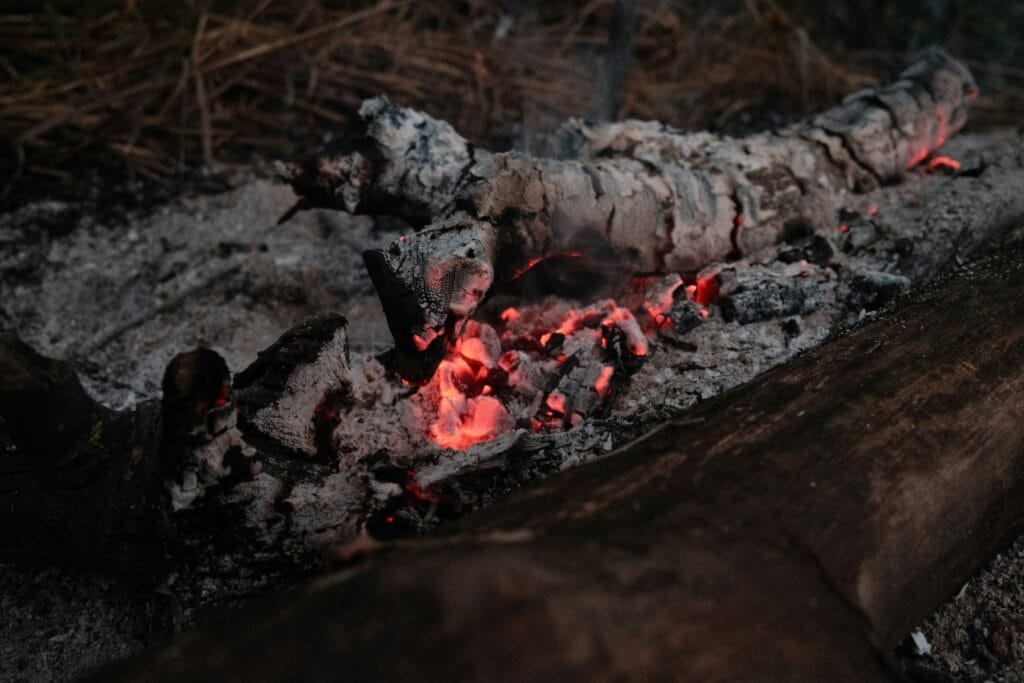
Setting up your grill requires a bit of practice but can be mastered with patience. Start by arranging the wood in a pyramid-like structure within the grill. Use smaller kindling and fire starters to ignite the fire, ensuring good airflow around the wood to maintain a consistent burn. As the fire matures, you’ll need to add more wood to control the temperature and smoke levels.
Controlling Temperature
Managing temperature on a wood-fired grill can be more challenging compared to gas grills. Depending on the dish, you may need a high, consistent heat or a low, slow burn. Mastering the control of temperature involves understanding how different wood types burn and how the arrangement of the fire affects the heat output.
By rearranging the wood or adjusting the air intake, you can create zones of varying heat intensity. For instance, you might want high heat for searing and lower temperatures for cooking meat through.
Cooking Techniques
Grilling over wood offers various cooking techniques to explore, such as direct grilling, indirect grilling, and smoking.
Direct Grilling
This technique involves placing food directly over the flame for quick cooking. Direct grilling is ideal for foods that cook fast, such as steaks, burgers, and vegetables. It’s a great way to achieve those beloved grill marks and a crispy exterior.
Indirect Grilling
Here, food is placed away from the direct flame, allowing for a slower and more even cook. Indirect grilling is perfect for larger cuts of meat, such as whole chickens or roasts, as it helps cook the interior without burning the outside.
Smoking
Smoking involves cooking food at low temperatures for extended periods, allowing the smoke to infuse deeply into the food. This technique is excellent for briskets, ribs, and pork shoulders, providing a tender and flavorful outcome.

The Benefits of Using a Wood-fired Grill
There are numerous benefits to using a wood-fired grill for your culinary creations. These grills offer a range of advantages that make them a desirable choice for both amateur and seasoned grillers.
Enhanced Flavor
The primary appeal of wood-fired grilling is the flavor enhancement wood brings to the table. The natural smoke embeds a rich and layered taste that other grills cannot easily provide. This makes every dish more complex and appealing to the palate.
Versatility
Wood-fired grills can often accommodate a wide range of cooking styles and dishes, offering flexibility in your cooking techniques. The ability to use different types of wood also allows for a vast array of flavor profiles, from sweet to savory.
Social Experience
Cooking with a wood-fired grill often becomes a social event. Gathering around the fire, sharing stories, and indulging in the sensory experience of flames and aromas fosters camaraderie and connection, adding an extra layer of enjoyment to your culinary endeavors.
Challenges of Wood-fired Grilling
Despite their numerous advantages, wood-fired grills do come with challenges. It’s important to understand these to fully appreciate the art of wood grilling.
Temperature Control
Unlike gas or electric grills, maintaining a consistent temperature with a wood-fired grill requires vigilance and expertise. You’ll need to adjust the wood, manage airflow, and sometimes rethink your methods to achieve the desired heat and cook.
Time and Effort
The process of building and maintaining the fire requires time and patience. Preparing a meal on a wood-fired grill is less about quick fixes and more about the journey, savoring each step from stoking the fire to cooking the meal.
Learning Curve
For beginners, wood-fired grilling may seem daunting. However, with practice and a willingness to experiment, you’ll find your groove and unlock the full potential of this cooking method.
Choosing the Right Wood-fired Grill for Your Needs
With a variety of wood-fired grills on the market, selecting the right one is crucial to meet your grilling goals. Consider factors such as space, budget, and the types of meals you wish to prepare.
Basic vs. Specialized Models
Some models are simple in design, offering a grate over a designated fire area. These are perfect for those who value a straightforward, rustic approach. Meanwhile, other modern designs come with built-in temperature gauges, adjustable grates, and even side burners for increased versatility.
Portable vs. Stationary Models
Consider whether you need your grill to be stationary in your backyard or if you prefer a portable option for camping or tailgating. Portable grills offer convenience and flexibility, while stationary options often offer more space and additional features.
Safety Tips for Wood-fired Grilling
When working with fire and high heat, safety becomes a priority. Always ensure your setup is stable and well-ventilated. Keep a fire extinguisher or water bucket nearby in case of unexpected flare-ups. It’s important to stay attentive when grilling to avoid accidents.
Staying Informed
Ensure you’re up-to-date with local regulations regarding open fires if you’re using a more traditional grill setup. Some locales have restrictions on when and where you can have open flames, especially during dry seasons.

Wood-fired Grilling and Sustainability
Using a wood-fired grill can be a sustainable option if approached mindfully. Choosing sustainably harvested wood reduces environmental impact, and using natural fire starters lessens reliance on chemical-laden alternatives.
Eco-friendly Practices
Collecting locally sourced and renewable wood not only supports sustainability but ensures you’re using wood that hasn’t traveled far, reducing your carbon footprint. Use minimal paper or other products that may release harmful substances into the environment when burned.
Recipes to Try on Your Wood-fired Grill
Now that you’re familiar with wood-fired grills, why not try some delicious recipes? Whether you’re a fan of classic BBQ, delightful vegetables, or even baking on the grill, there are ample options to explore.
Classic Wood-fired BBQ Chicken
Brining the chicken before cooking helps retain moisture and add flavor. Rub it with a mix of your favorite spices before placing it on the grill. Allow it to cook slowly, absorbing the rich, smoky nuances of the wood.
Grilled Vegetables with Herb Marinade
Vegetables like bell peppers, zucchini, and mushrooms take on a new depth of flavor when grilled. Toss them in olive oil, herbs, and a pinch of salt before laying them over your wood-fired grill for a healthy and delicious side dish.
Bread and Pizza
It may surprise you, but bread and pizza can achieve fantastic crusts and flavors on a wood-fired grill. The high heat and smoky environment make it tough to resist a slice straight from the fire.
Experimenting with Your Grill
Part of the fun of a wood-fired grill is stepping beyond traditional boundaries. Don’t be afraid to explore new foods or try unconventional methods. Achieving expert status might take time, but the journey of trial and error is part of the excitement.
Keeping a Grill Journal
Keep track of your experiences by maintaining a grill journal. Document your choice of wood, cooking times, and techniques, noting what worked and what could be improved. This can be a valuable resource as you refine your abilities.
Conclusion
A wood-fired grill is far more than just a cooking tool; it’s a celebration of flavors, history, and community. Whether you’re cooking for friends, family, or yourself, each cooking experience offers a new opportunity to discover the potential your grill holds. Embrace the challenge, commit to learning, and most importantly, enjoy every flavorful bite.